Send Inquiry

Himalayan India
North India
Famous For
High-altitude desert • Buddhist monasteries • Adventure biking • Scenic landscapes
Ideal Duration
3–4 days
Best Time to Visit
May to September
About the Destination
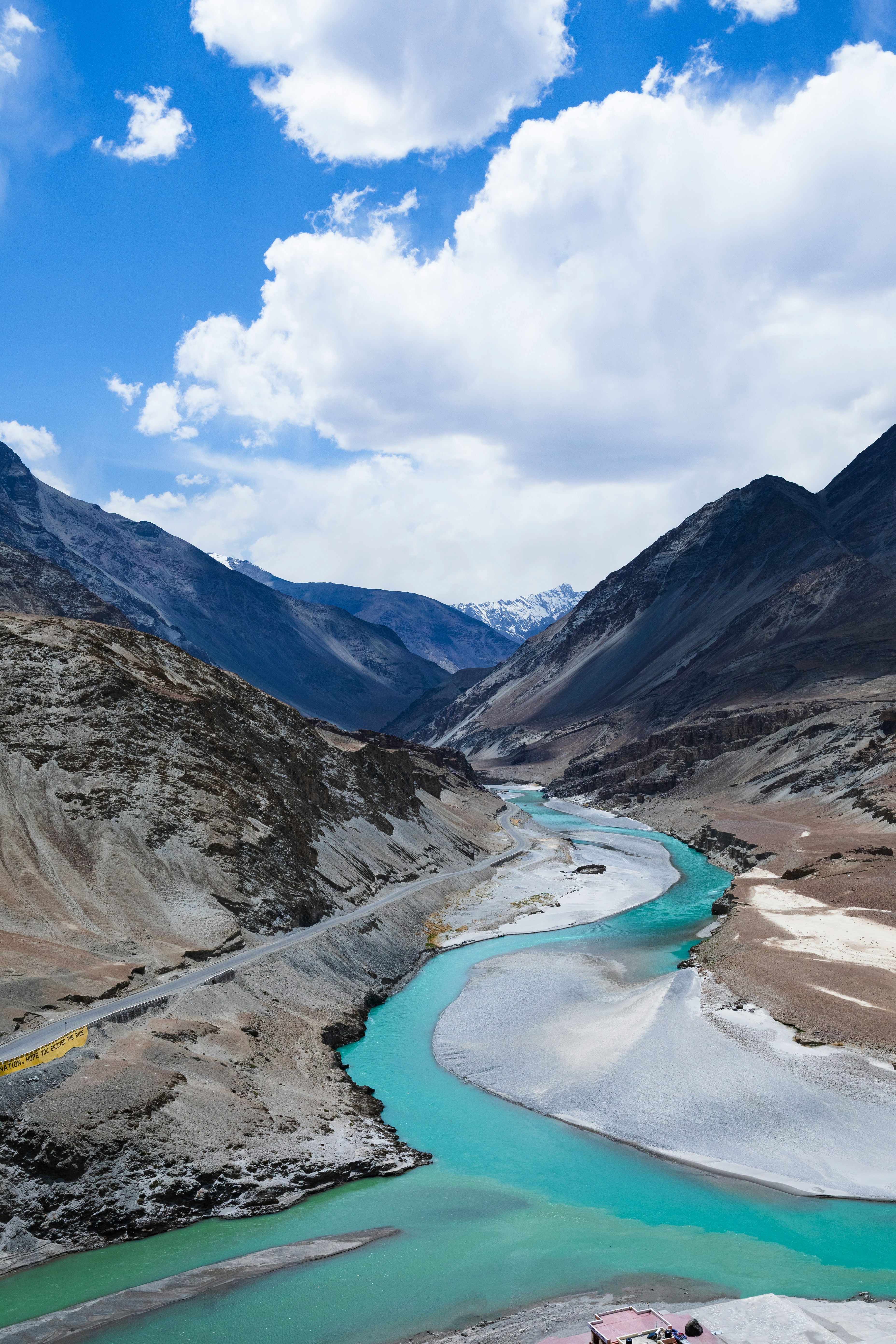
A high-altitude desert town in Ladakh, Leh is known for its dramatic landscapes, Buddhist monasteries, and a unique blend of Tibetan and Himalayan culture.

History & Heritage
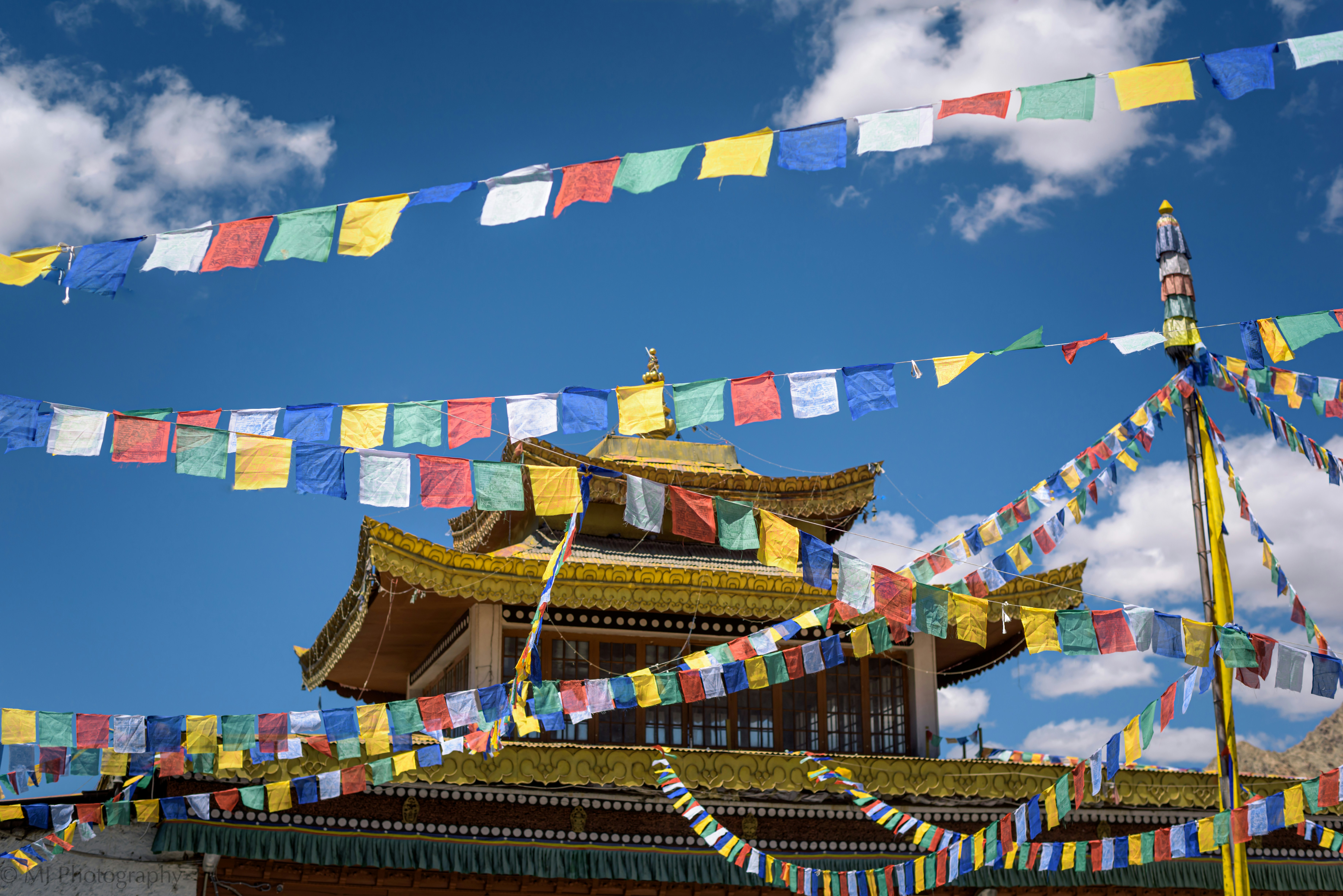
Leh has historically been an important stop along ancient trade routes connecting India with Central Asia, Tibet, and China. Its strategic location made it a thriving commercial and cultural hub where traders exchanged goods, ideas, and traditions. The town was once the capital of the Ladakh kingdom, and its legacy is reflected in structures like Leh Palace, a 17th-century royal residence inspired by the Potala Palace in Lhasa. The region’s heritage is deeply influenced by Tibetan Buddhism, visible in its monasteries, stupas, and prayer flags that dot the landscape. Monasteries such as Hemis, Thiksey, and Spituk have served as spiritual centers for centuries, preserving ancient scriptures, art, and rituals. These monasteries are not only places of worship but also repositories of history and culture. Leh’s isolation due to its high-altitude terrain helped preserve its traditions, making it one of the few regions where ancient Himalayan culture continues to thrive largely unchanged.
Highlights
• Leh Palace • Hemis & Thiksey Monasteries • Khardung La Pass • Local markets
Culture & Experience
Leh offers an immersive cultural experience shaped by its geography and spirituality. The daily life here revolves around monasteries, local markets, and community traditions. Visitors can witness prayer ceremonies, interact with monks, and explore vibrant festivals like Hemis Festival, which showcases masked dances and traditional music. The stark beauty of the landscape—rugged mountains, clear blue skies, and winding roads—adds to the experience. Adventure plays a major role, with activities like biking on high mountain passes, trekking, and river rafting attracting thrill-seekers. Local cuisine, influenced by Tibetan culture, includes dishes like momos, thukpa, and butter tea, offering a taste of the region’s heritage. The slower pace of life and spiritual atmosphere create a sense of calm and introspection, making Leh not just a destination but a transformative journey.
Destination Gallery